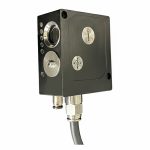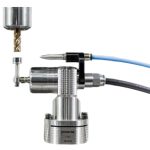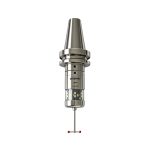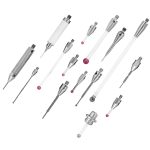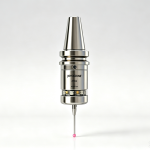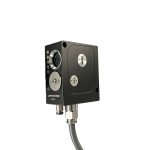
A CNC tool setter is a precision measurement device used on CNC machines (such as machining centers, milling machines, and lathes) to automatically determine the exact position and dimensions of cutting tools. Its primary purpose is to establish accurate tool length, diameter, and wear offsets, ensuring that machining operations are performed with high precision and repeatability.
1. What is a CNC Tool Setter?
A CNC tool setter is typically a probe-like device installed inside the machine workspace, either mounted on the machine table (for mills) or integrated into the machine structure. It works in coordination with the CNC control system to measure tools before or during machining.

There are two main types:
Contact (touch-trigger) tool setters
The tool physically touches a sensing surface (stylus or pad), triggering a signal.
Non-contact (laser) tool setters
A laser beam detects tool presence, length, and diameter without physical contact.
Tool setters are commonly used alongside workpiece probes (touch probes), but they serve different purposes:
Tool setter → measures the tool
Touch probe → measures the workpiece
2. Why is a Tool Setter Important?
In CNC machining, accuracy depends heavily on knowing the exact tool geometry relative to the machine coordinate system. Without a tool setter:
- Tool length must be measured manually (error-prone)
- Setup time increases significantly
- Tool wear compensation is difficult
- Scrap rates increase
A tool setter enables:
- Automated tool measurement
- Reduced setup time
- Improved machining accuracy
- Consistent part quality
- Real-time tool monitoring
3. How Does a CNC Tool Setter Work?
Step-by-Step Working Principle
(1) Tool Moves to Measurement Position
The CNC program commands the spindle to move the tool to a predefined location where the tool setter is installed.
(2) Approach Motion
The tool moves slowly toward the tool setter surface (or through a laser beam).
For contact systems: the tool tip approaches the probe surface
For laser systems: the tool interrupts the laser beam
(3) Detection Event
Contact tool setter:
When the tool touches the probe surface, a trigger signal is generated (usually via a precision switch or strain gauge).
Laser tool setter:
When the tool breaks the laser beam, the system detects the interruption.
(4) Signal Transmission
The trigger signal is transmitted to the CNC control system. This can be done via:
- Cable (wired systems)
- Optical or radio transmission (wireless systems)
(5) Position Recording
At the exact moment of trigger, the CNC records the machine’s axis position (typically Z-axis for tool length).
(6) Offset Calculation
The CNC calculates:
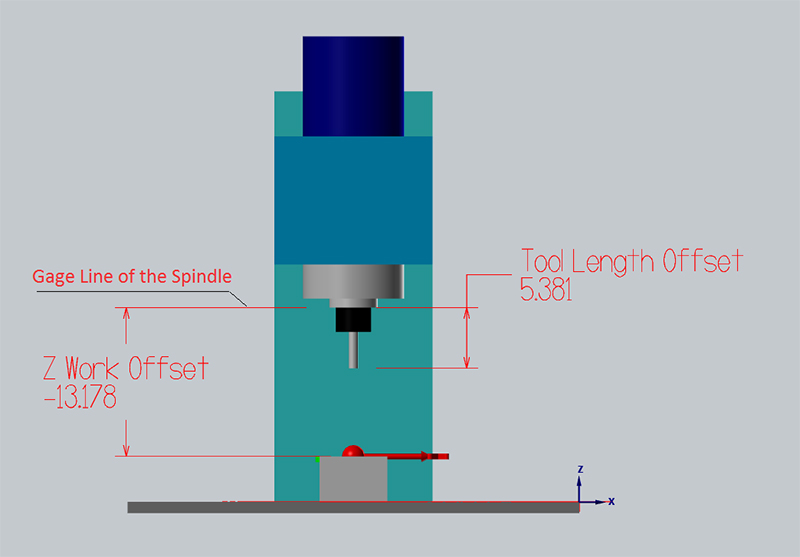
- Tool length offset
- Tool radius/diameter (if measured laterally)
- Tool wear compensation
These values are automatically stored in the tool offset table.
(7) Compensation in Machining
During machining, the CNC uses these offsets to adjust tool paths, ensuring the cutting edge is exactly where it should be relative to the workpiece.
4. Types of Measurements Performed
A CNC tool setter can measure:
1. Tool Length (Z Offset)
- Most common measurement
- Ensures correct cutting depth
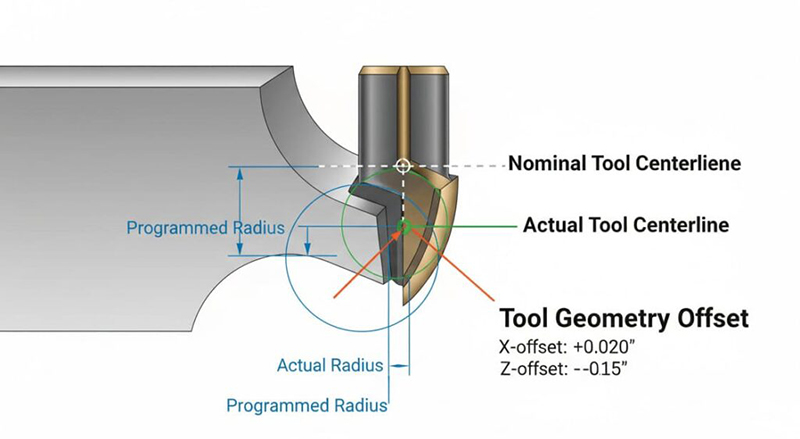
2. Tool Diameter (X/Y Offset)
- Especially important for milling cutters
- Measured by probing the sides of the tool
3. Tool Breakage Detection
- If a tool fails to trigger the probe, it may be broken
- Machine can stop automatically to prevent scrap
4. Tool Wear Monitoring
- Periodic measurement detects gradual wear
- CNC updates compensation automatically
5. Contact vs. Laser Tool Setters
Contact Tool Setter
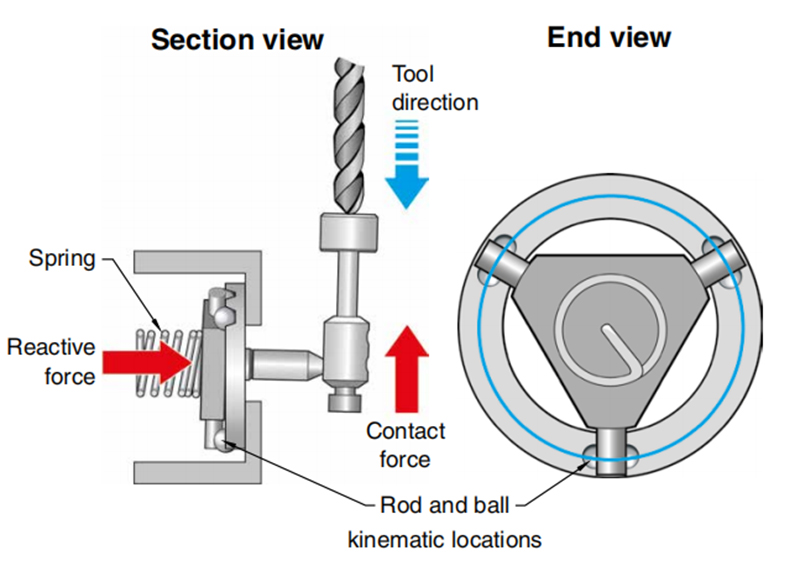
Advantages:
- High accuracy
- Robust and cost-effective
- Suitable for most tools
Limitations:
- Physical contact causes slight wear over time
- Slower than laser systems
Laser Tool Setter
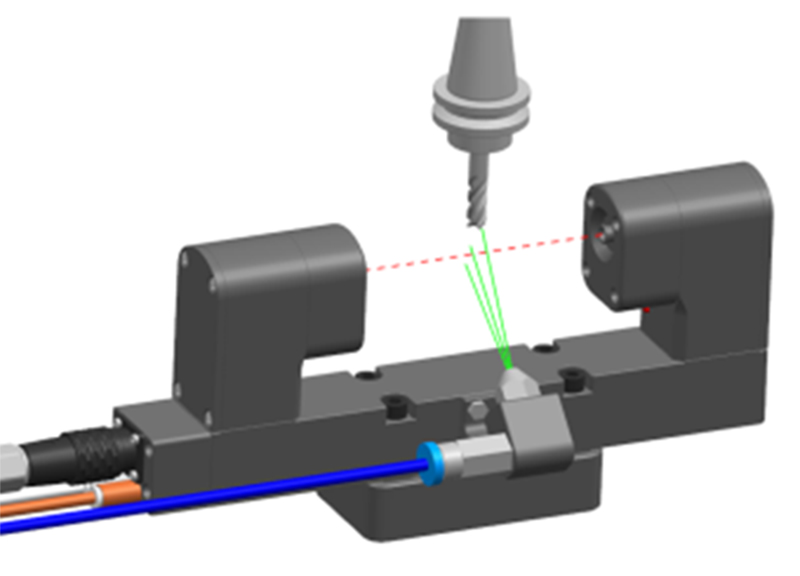
Advantages:
- Non-contact (no wear)
- Very fast measurement
- Ideal for small or delicate tools
Limitations:
- More expensive
- Sensitive to coolant, chips, and contamination
6. Integration with CNC Systems
Modern CNC tool setters are fully integrated into the machine control system and can be used in:
- Automatic tool setup cycles
- Tool change routines
- In-process measurement cycles
Typical workflow:
- Tool change occurs
- Tool moves to tool setter
- Measurement is performed automatically
- Offsets updated
- Machining resumes
This enables lights-out manufacturing (unattended operation).
7. Practical Example
Imagine a CNC milling machine performing a multi-tool operation:
- Tool 1: Face mill
- Tool 2: End mill
- Tool 3: Drill
Each tool has a different length. Without a tool setter, the operator must manually measure and input offsets.
With a tool setter:
- Each tool is automatically measured after loading
- The machine knows exact tool positions
- All machining operations are executed accurately without manual intervention
8. Key Benefits
Using a CNC tool setter provides:
- Higher precision: Eliminates human error
- Reduced setup time: Fully automated measurement
- Increased productivity: Faster changeovers
- Improved tool life management
- Reduced scrap and rework
- Better process reliability
9. Conclusion
A CNC tool setter is an essential component in modern CNC machining, acting as the bridge between tool geometry and machine accuracy. By automatically measuring tool length, diameter, and condition, it ensures that every machining operation is performed with precision and consistency.
In today’s high-efficiency manufacturing environments, especially where automation and tight tolerances are required, a CNC tool setter is not just an accessory—it is a critical element for achieving reliable, repeatable, and high-quality production.
You May Like
 What is broken tool detection and why it matters in modern cnc machining?
- Tool Setting Probe (CTS-5)
- CNC technical support Serbia, Minth Group CNC service, dual-channel CNC, on-machine probing, NEV manufacturing, Joyoshine global service
- RF Touch Probe (JPM400/JPM46M)
- Stylus For Touch Probe
- Infrared vs. Radio Frequency Machine Tool Probes: A Comprehensive Buyer’s Guide
- Broken Tool Detector NTS-Z