In modern CNC machining, automation and precision are no longer optional — they are essential. One of the most critical technologies that ensures stable, unattended production is Broken Tool Detection.
Whether you run high-volume production or lights-out manufacturing, tool breakage can lead to scrap parts, machine damage, and costly downtime. This article explains what broken tool detection is, how it works, and why every CNC workshop should implement it.
What Is Broken Tool Detection?
Broken Tool Detection is an automated process used to verify whether a cutting tool is intact, worn, or broken during CNC machining.
Instead of relying on manual inspection, the machine automatically checks the tool condition and stops the process if a problem is detected.
This simple capability prevents one of the most expensive risks in machining: continuing production with a damaged tool.
Why Tool Breakage Is a Serious Problem
Tool failure can happen at any time due to:
- High cutting loads
- Tool wear and fatigue
- Improper feeds and speeds
- Hard material inclusions
- Long unattended machining cycles
When a tool breaks and machining continues, the consequences can include:
- Scrapped parts and wasted materials
- Damaged fixtures or workpieces
- Spindle or machine collisions
- Production delays and missed deadlines
In automated environments, a single broken tool can ruin an entire batch before anyone notices.
Broken tool detection eliminates this risk.
How Broken Tool Detection Works?
There are several technologies used to detect tool breakage in CNC machines.
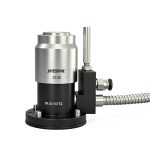
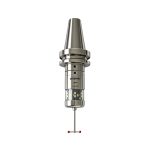
1. Contact Tool Setter Detection (Most Common)
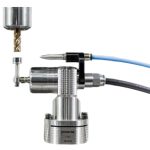
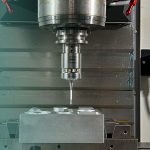
A tool setter probe is installed inside the machine.
The tool moves down and lightly touches the probe to measure its length.
How it detects breakage:
1.The tool length is measured before machining.
2.The tool is measured again during or after machining.
3.If the measured length is shorter than expected, the machine identifies the tool as broken.
This method is reliable, affordable, and widely used in CNC machining centers.
2. Laser Tool Detection (High-Speed Solution)
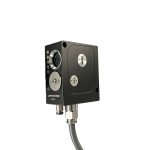
A laser beam is positioned inside the machine.
When the tool passes through the beam, the system checks whether the beam is interrupted.
If the laser beam is not blocked, the system immediately detects that the tool is missing or broken.
Advantages:
• Non-contact measurement
• Extremely fast detection
• Ideal for small and fragile tools
• Suitable for high-speed production
3. In-Process Monitoring Systems (Advanced)
Some high-end systems monitor:
• Spindle load
• Vibration
• Acoustic signals
Abnormal changes indicate tool damage or breakage.
These systems are often used in highly automated production lines.
When Should Tool Break Detection Be Performed?
Broken tool checks can be performed at multiple stages:
• Before machining starts
• Between machining operations
• After heavy cutting cycles
• During lights-out production
• After tool changes
The more automated the production, the more essential these checks become.
Benefits of Broken Tool Detection
• Prevent Scrap and Rework
Detect problems before they ruin expensive workpieces.
• Enable Lights-Out Manufacturing
Machines can run overnight without supervision.
• Protect Machines and Spindles
Avoid costly collisions and machine damage.
• Improve Production Reliability
Reduce unexpected downtime and delays.
• Increase Customer Confidence
Consistent quality leads to stronger trust and repeat business.
Broken Tool Detection in Smart Manufacturing
Industry 4.0 and smart factories rely on automation and real-time monitoring.
Broken tool detection is a foundational technology that supports:
• Automated production lines
• Flexible manufacturing systems
• Smart machining cells
• Unattended CNC operation
Without automatic tool verification, true automation is impossible.
Final Thoughts
Broken Tool Detection is not just a convenience — it is a necessity for modern CNC machining.
By automatically verifying tool condition, manufacturers can prevent costly errors, improve productivity, and move toward fully automated production.
If your workshop aims to improve efficiency and reliability, implementing a tool detection system is one of the smartest investments you can make.